
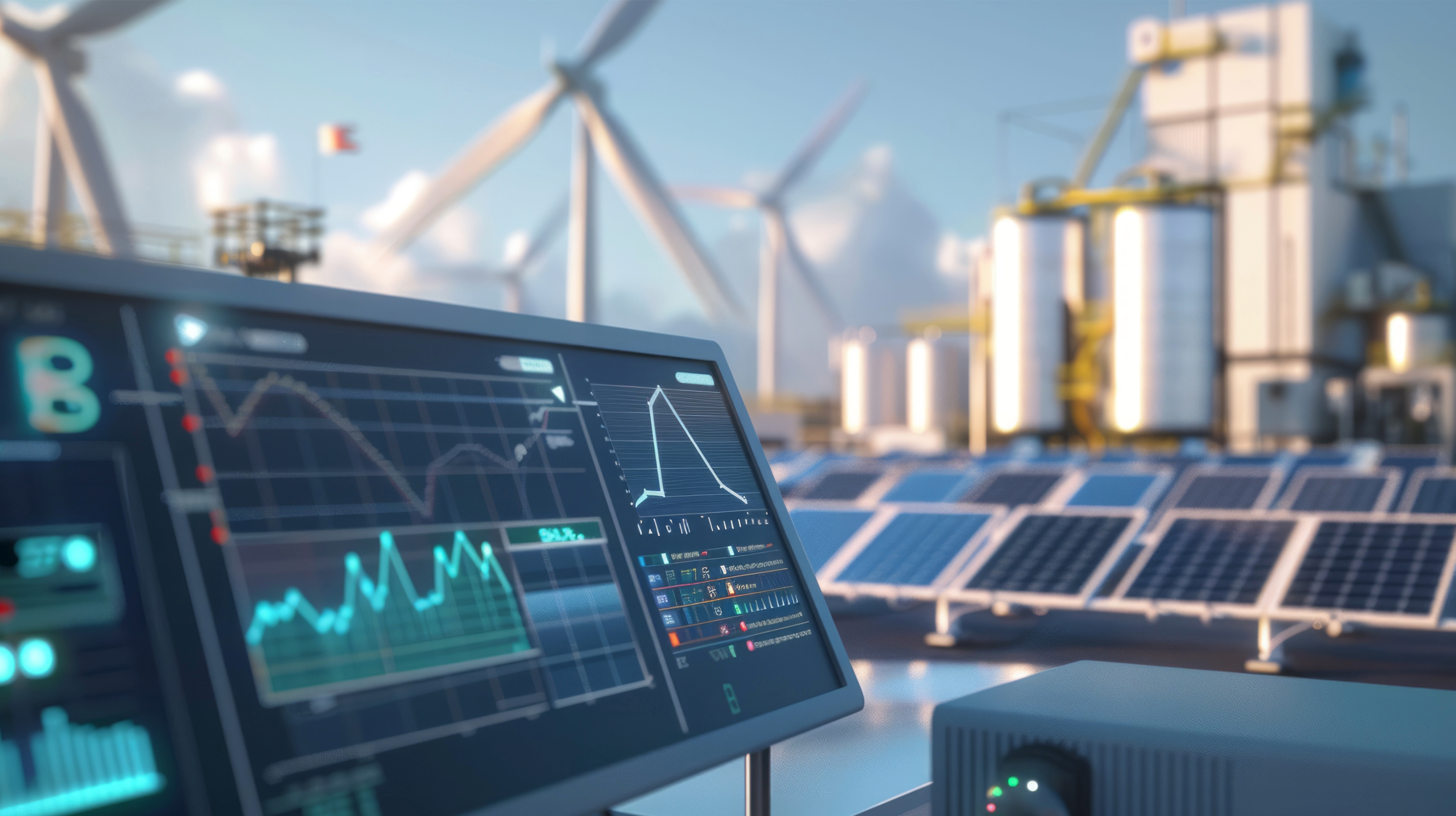

ENERGY GENERATION

At ENERZIX, our mission is to shape reliable, future-ready low-carbon energy systems. Through our expertise in technical advisory, detailed engineering, and power system integration, we support developers, utilities, and industrial clients in delivering high-performance, efficient, and sustainable energy solutions that drive long-term value.

Voltage Flicker, Rapid Voltage Change & Dynamic Load Impact Analysis
A Load Flow Study also known as Power Flow Analysis, is a steady-state simulation of your electrical network under defined operating conditions. It calculates bus voltages, active and reactive power flows, equipment loading, and network losses at every point in the system, giving engineers a complete and accurate picture of how the network will behave before a single piece of equipment is procured or installed.
For any project involving power generation, grid connection, or significant load addition, the Load Flow Study is the first and most critical technical analysis required. Without it, transformers get undersized, cables get overloaded, and grid code compliance becomes a last-minute problem not a design-stage solution.

Grid operators define strict voltage limits at every bus in the network. A Load Flow Study identifies all buses operating outside permissible bands and quantifies the reactive compensation needed to achieve compliance before the interconnection application is submitted.

Transformers, cables, and busbars have defined thermal ratings. A Load Flow Study identifies any component at risk of overloading under peak or contingency conditions, allowing engineers to upsize equipment at the design stage rather than after commissioning.
The study provides the reactive power demand profile across the network, enabling precise sizing of capacitor banks, harmonic filters, SVGs, STATCOMs, and synchronous condensers critical for power factor compliance and avoiding utility penalty charges.

Technical losses directly reduce project yield and revenue. Load Flow results quantify I²R losses in cables and transformers, enabling engineers to evaluate design alternatives such as higher collection voltages or lower-resistance conductors before finalising the design.

Utility interconnection applications in virtually every market require a Load Flow Study as a mandatory deliverable. ENERZIX prepares studies structured to meet the specific submission requirements of the relevant utility or regulatory authority.

Evaluates system performance under different operating conditions, ensuring stable and reliable operation across normal and stressed scenarios.
ENERZIX's Load Flow Studies are comprehensive, scenario-based analyses not single-point calculations. Our standard scope includes:
Every ENERZIX Load Flow Study is delivered as a formal technical report suitable for submission to utilities, regulatory authorities, EPC contractors, or lenders' technical advisors. The report includes:
Primary simulation platform for industrial, utility, and renewable interconnection studies
Advanced network modelling for large transmission and renewable integration studies
Used where dynamic interaction, HVDC, or real-time simulation is required
Avoid excessive voltage dips and instability
Reduce electrical and thermal stress
Avoid shutdowns and production losses
Enhance performance under transient load events
Meet utility voltage disturbance limits
Select effective mitigation and control solutions
Engineering-led voltage dip analysis, transient load analysis, and system stability assessment for industrial, utility, and renewable power systems.
.png)