
ENERGY GENERATION

At ENERZIX, our mission is to shape reliable, future-ready low-carbon energy systems. Through our expertise in technical advisory, detailed engineering, and power system integration, we support developers, utilities, and industrial clients in delivering high-performance, efficient, and sustainable energy solutions that drive long-term value.
Overvoltage protection and insulation level verification for solar, wind, BESS, industrial, and utility interconnection projects
An Insulation Coordination Study defines insulation withstand levels and ensures protection against lightning, switching, and temporary overvoltages across electrical networks. It is a critical overvoltage protection study aligned with IEC 60071 insulation coordination and utility grid requirements.
It establishes BIL and SIL for transformers, switchgear, and cables, while optimising surge arrester selection and placement to maintain required protective margins. For projects involving high-voltage systems, grid interconnection, or renewable energy, a properly executed HV insulation coordination study is essential to prevent equipment failure and ensure reliable operation.

Evaluates lightning, switching, and temporary overvoltages to ensure all equipment operates within safe withstand limits. Minimises risks of insulation failure, equipment damage, and unplanned outages under real operating conditions.

Defines correct Basic Insulation Level (BIL) and Switching Impulse Level (SIL) for transformers, switchgear, cables, and associated equipment, ensuring accurate procurement without over- or under-specification.
Determines optimal arrester ratings, continuous operating voltage (COV), protective levels, and installation locations to maintain required protective margins across all critical equipment.
Addresses overvoltage challenges specific to solar PV, wind farms, and BESS systems, including inverter-driven transients, cable network effects, and resonance conditions.
Identifies switching transients, travelling waves, and resonance risks in cable-heavy and modern electrical networks, ensuring stable system behaviour under all operating scenarios.

Ensures compliance with utility insulation coordination requirements, international standards, and supports successful grid interconnection and regulatory approval processes.
ENERZIX Insulation Coordination Studies are comprehensive, transient-driven and system-level analyses covering:
Every ENERZIX Insulation Coordination Study is delivered as a formal technical report suitable for utilities, EPC contractors, consultants, and lenders. The report includes:
All ENERZIX Insulation Coordination Studies are performed using industry-recognised simulation tools:
System-level validation and utility submission studies
Temporary overvoltage analysis and integrated system modelling
Transient overvoltage simulation including lightning and switching impulses
An Insulation Coordination Study is required for medium and high-voltage systems, particularly in the following scenarios:
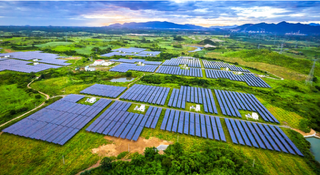
HV collector systems, inverter stations, grid connection points requiring overvoltage surge arrester coordination
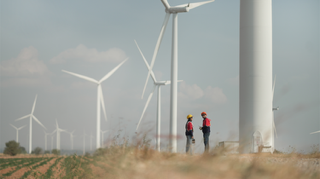
Mixed overhead and cable networks requiring lightning performance evaluation and switching transient analysis.
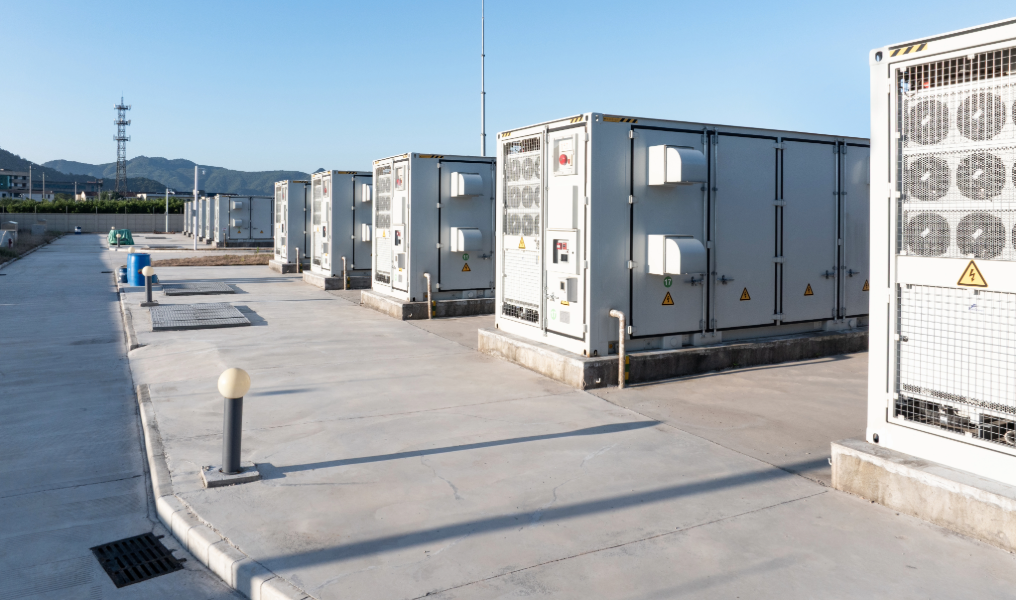
Converter-based systems with switching transients, temporary overvoltage (TOV) risks, and grid interaction challenges.
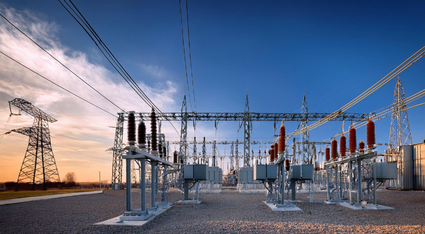
Definition of BIL/SIL levels and optimal surge arrester placement for transformers, switchgear, and busbars.
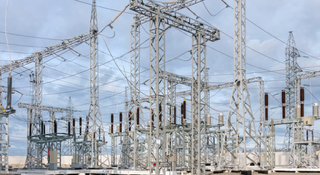
Lightning shielding, backflashover performance, and insulation coordination of overhead line systems.
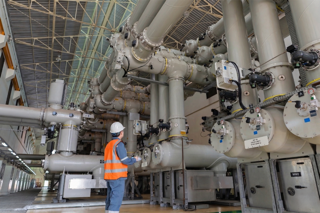
Comprehensive power system modeling including harmonic analysis, protection coordination, and grid support optimization.

High-voltage motors, transformers, and cable systems requiring insulation protection against switching and fault-induced overvoltages.
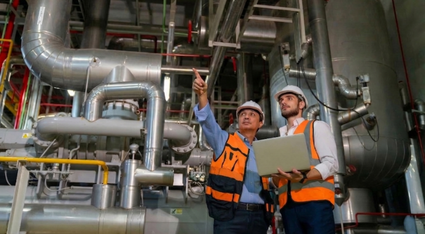
Mandatory grid study for overvoltage reassessment.
Whether you are developing a solar PV plant, wind farm, BESS project, substation, or transmission system, or seeking utility interconnection approval, ENERZIX delivers engineering-grade Insulation Coordination Studies and surge arrester sizing studies designed to ensure overvoltage protection, correct BIL/SIL specification, and grid compliance. Our studies evaluate lightning, switching, and temporary overvoltages, ensuring your system meets IEC 60071 insulation coordination requirements, utility standards, and international best practices, while protecting critical equipment such as transformers, switchgear, and cable systems.
.png)