
Passive Harmonic Filter Solutions
Tuned Harmonic Mitigation for Power Quality Improvement, IEEE 519 Compliance, and Efficient Operation of Industrial Power Systems
ENABLING HARMONIC CONTROL AND POWER QUALITY COMPLIANCE THROUGH ENGINEERED PASSIVE FILTER DESIGN
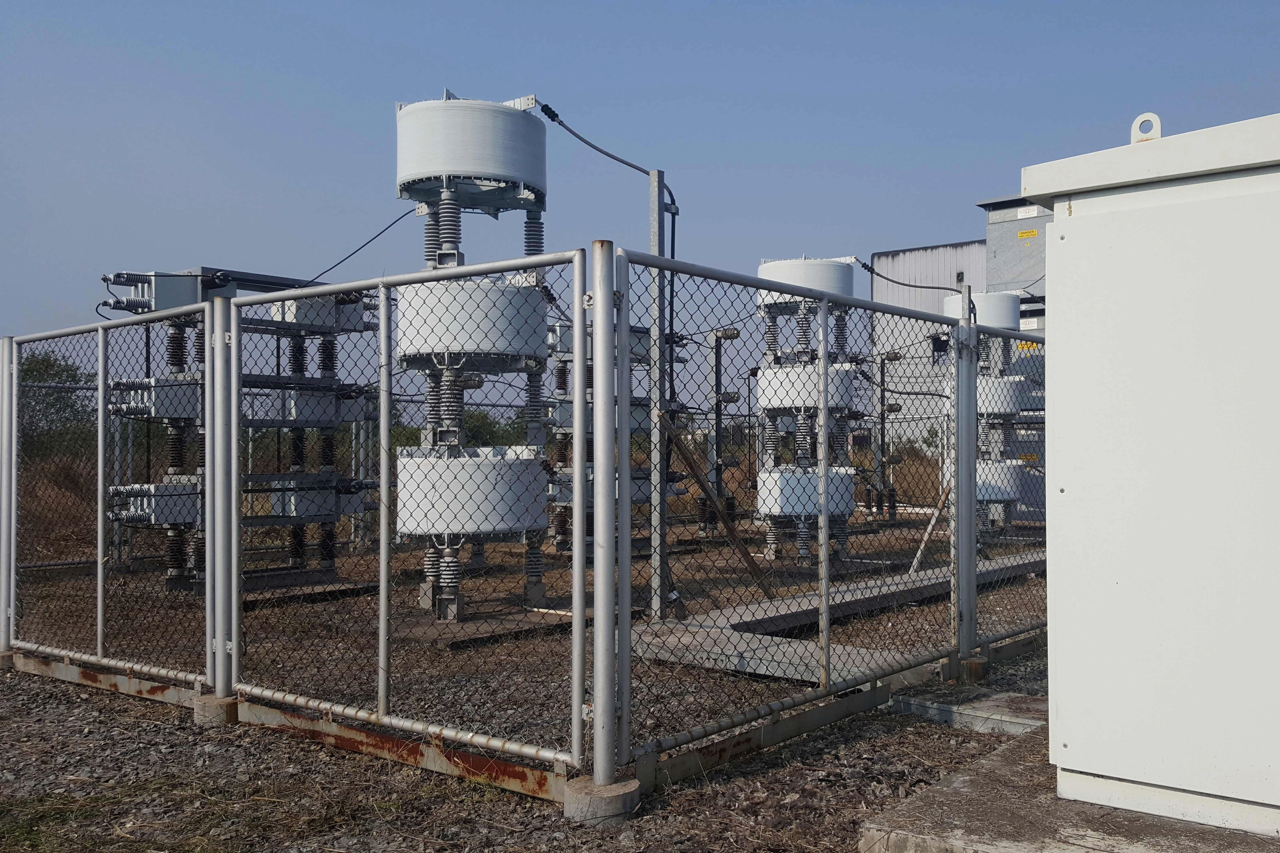
Passive Harmonic Filters are tuned LC (inductor-capacitor) systems designed to mitigate specific harmonic frequencies, improve power factor, and enhance overall power quality in electrical networks.
ENERZIX provides engineering-led advisory, harmonic studies, system analysis, and technical specification development for passive filter solutions across industrial facilities, substations, renewable energy plants, and utility-connected power systems. Where required, implementation can be supported through qualified OEM partners while maintaining independent technical oversight.
Unlike active solutions, passive filters require precise tuning and system-level design to avoid resonance and overcompensation. Improperly designed filters can amplify harmonics, cause voltage instability, and lead to equipment failure. ENERZIX ensures optimal tuning, sizing, and integration based on detailed harmonic studies, load flow analysis, and system impedance evaluation.
This approach is typically supported by harmonic studies, load flow analysis, and resonance assessment to ensure safe, reliable, and compliant system performance.
Purpose of Passive Harmonic Filter Solutions
Targeted Harmonic Mitigation
Eliminate specific harmonic frequencies through tuned filter design

Power Factor Correction
Provide reactive power support and improve system power factor
Total Harmonic Distortion (THD) Reduction
Maintain harmonic levels within IEEE 519 and IEC limits
System Efficiency Improvement
Reduce losses caused by harmonic currents and reactive power
Voltage Stability Support
Limit harmonic-induced voltage distortion in electrical networks
Cost-Effective Harmonic Solution
Provide economical mitigation for stable and predictable load conditions
Scope of Passive Harmonic Filter Solutions
Comprehensive engineering support for harmonic analysis, filter tuning, and integration of passive harmonic filtering systems for industrial and utility power networks.
Harmonic Study and Frequency Spectrum Analysis
System Impedance and Resonance Analysis
Filter Tuning and Design (Single-Tuned / Double-Tuned / High-Pass)
Reactive Power and Capacitor Bank Assessment
Passive Filter Sizing and Rating Selection
Technology Selection (Passive / Active / Hybrid Solutions)
System Integration Strategy
Harmonic and Power Quality Compliance Evaluation
Pre- and Post-Mitigation Performance Validation
Measurement and Site Data Review
Technical Specification Development
Vendor Evaluation and Technical Comparison
Passive Harmonic Filter Engineering Deliverables
Engineering-defined deliverables supporting harmonic mitigation strategy, filter design, procurement, and compliant implementation.
- Filter Tuning and Design Recommendation
- Integration Concept (Single Line Diagram Level)
- Capacitor and Reactor Specification
- Technical Specifications for Procurement
- THD Performance and Compliance Requirements
- Resonance Risk Assessment Report
- Harmonic Mitigation Strategy Report
- Engineering Recommendations for Implementation
Technology Options Considered

Passive Harmonic Filters (Single-Tuned / High-Pass)
Tuned solutions for targeted harmonic mitigation in stable systems

Active Harmonic Filters (AHF)
Dynamic harmonic mitigation for variable and complex load conditions
Hybrid Filter Solutions
Combination of passive and active filtering for optimized performance and cost
Why You Need Passive Harmonic Filter Solutions

Ensure IEEE 519 Compliance and Harmonic Control
Maintain harmonic distortion within permissible limits for reliable operation.

Provide Cost-Effective Harmonic Mitigation
Suitable for stable load systems with predictable harmonic profiles.

Improve Power Factor and Reduce Penalties
Deliver reactive power support along with harmonic filtering.

Prevent Resonance and Harmonic Amplification Risks
Avoid system instability through properly engineered filter tuning.

Improve Equipment Life and System Reliability
Reduce stress on transformers, cables, and electrical equipment.

Optimize System Performance and Reduce Losses
Enhance efficiency and minimize losses due to harmonics and reactive power.
Ensure IEEE 519 Compliance and Harmonic Control
Maintain harmonic distortion within permissible limits for reliable operation.
Provide Cost-Effective Harmonic Mitigation
Suitable for stable load systems with predictable harmonic profiles.
Improve Power Factor and Reduce Penalties
Deliver reactive power support along with harmonic filtering.
Prevent Resonance and Harmonic Amplification Risks
Avoid system instability through properly engineered filter tuning.
Improve Equipment Life and System Reliability
Reduce stress on transformers, cables, and electrical equipment.
Optimize System Performance and Reduce Losses
Enhance efficiency and minimize losses due to harmonics and reactive power.
Frequently Asked Questions
What is a Passive Harmonic Filter?
How are passive filters different from active harmonic filters?
Is harmonic study required before designing a passive filter?
What is resonance and why is it critical?
Can passive filters improve power factor?
Where are passive harmonic filters typically used?
Is ENERZIX a manufacturer or supplier?
Request a Passive Harmonic Filter Solution Proposal
Engineering-led harmonic mitigation solutions based on detailed harmonic studies, resonance analysis, and grid compliance requirements.