


ENERGY GENERATION

At ENERZIX, our mission is to shape reliable, future-ready low-carbon energy systems.
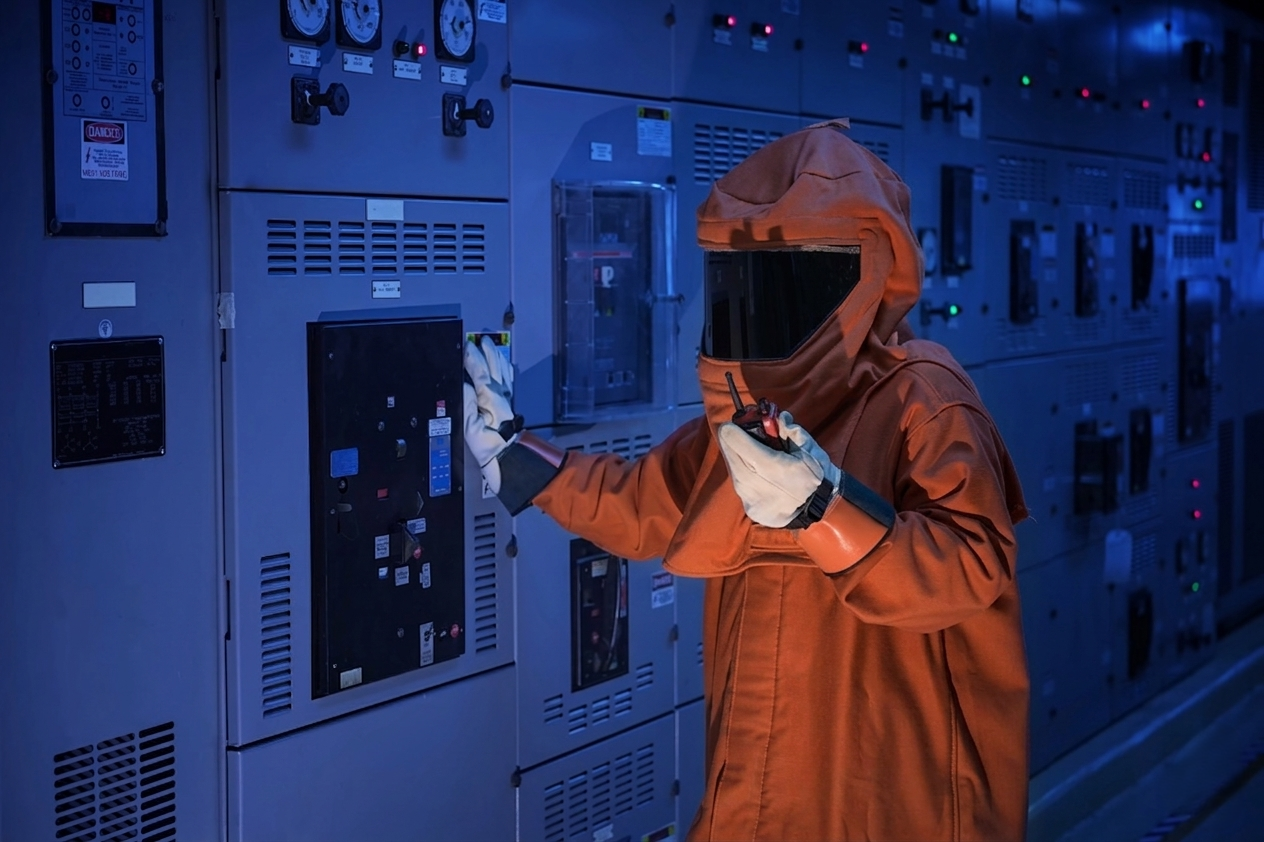
Engineering-Grade Arc Flash Analysis, Arc Flash Calculation & Hazard Assessment for Industrial & Utility Power Systems
An Arc Flash Study (also known as Arc Flash Analysis or Arc Flash Hazard Analysis) evaluates electrical power systems to identify arc flash risks, perform incident energy calculations, and define safe working boundaries.
This critical electrical safety study supports accurate PPE selection, arc flash labeling, and safer maintenance practices. It enhances workplace safety, ensures regulatory compliance with standards such as IEEE 1584 and NFPA 70E, and improves power system reliability by optimising protection settings and reducing arc flash risk across industrial and utility networks.

Verification of SLD, equipment ratings, and protection device data prior to modelling.

Fault current calculation as the basis for arc flash evaluation.

Incorporation of relay settings, fuse curves, and breaker characteristics.

Calculation of arc flash energy levels across all buses and equipment.

Determination of safe approach distances for each location.

Assignment of PPE levels based on calculated incident energy.
ENERZIX Arc Flash Studies are detailed, system-integrated analyses based on actual network conditions and protection settings. Our standard scope includes:
Every ENERZIX Arc Flash Study is delivered as a formal engineering report suitable for HSE compliance, audits, and operational implementation. The report includes:
All ENERZIX Arc Flash Studies are performed using industry-recognised power system analysis tools:
Comprehensive arc flash and protection coordination modelling
Advanced analysis for complex utility and transmission networks
Widely used platform for industrial arc flash compliance studies
An Arc Flash Study is required wherever personnel interact with energized electrical systems. Common scenarios include:

Routine maintenance, shutdown planning, safety compliance, system changes.

Inverter stations, MV switchgear, & grid inter-connection points.
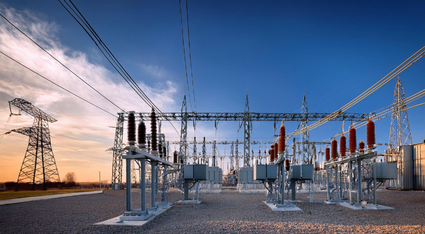
Arc flash risk assessment for switchgear and transformer bays.

Critical power systems requiring high safety and uptime standards.

Hazardous environments with strict safety compliance.
Retrofit studies for older systems lacking arc flash labelling.
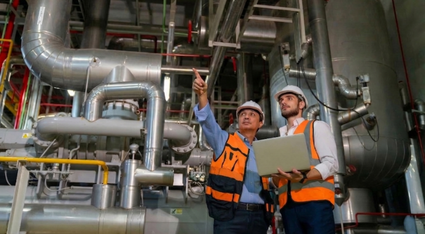
Required wherever personnel interact with energized electrical systems in utility-connected.
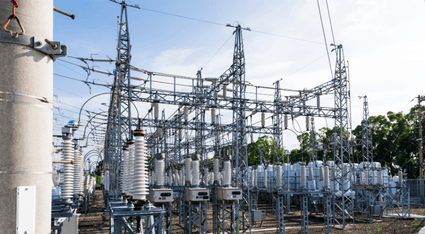
Required wherever personnel interact with energized electrical equipment.
Whether you are operating an industrial facility, developing a renewable energy plant, or ensuring compliance for a utility-connected system, ENERZIX delivers Arc Flash Studies that enhance personnel safety, ensure regulatory compliance, and reduce operational risk.